

TSS Archive Project
Completing the Picture: Memories of the Atomic Bombing

[Broadcast Date and Time] August 6, 2008
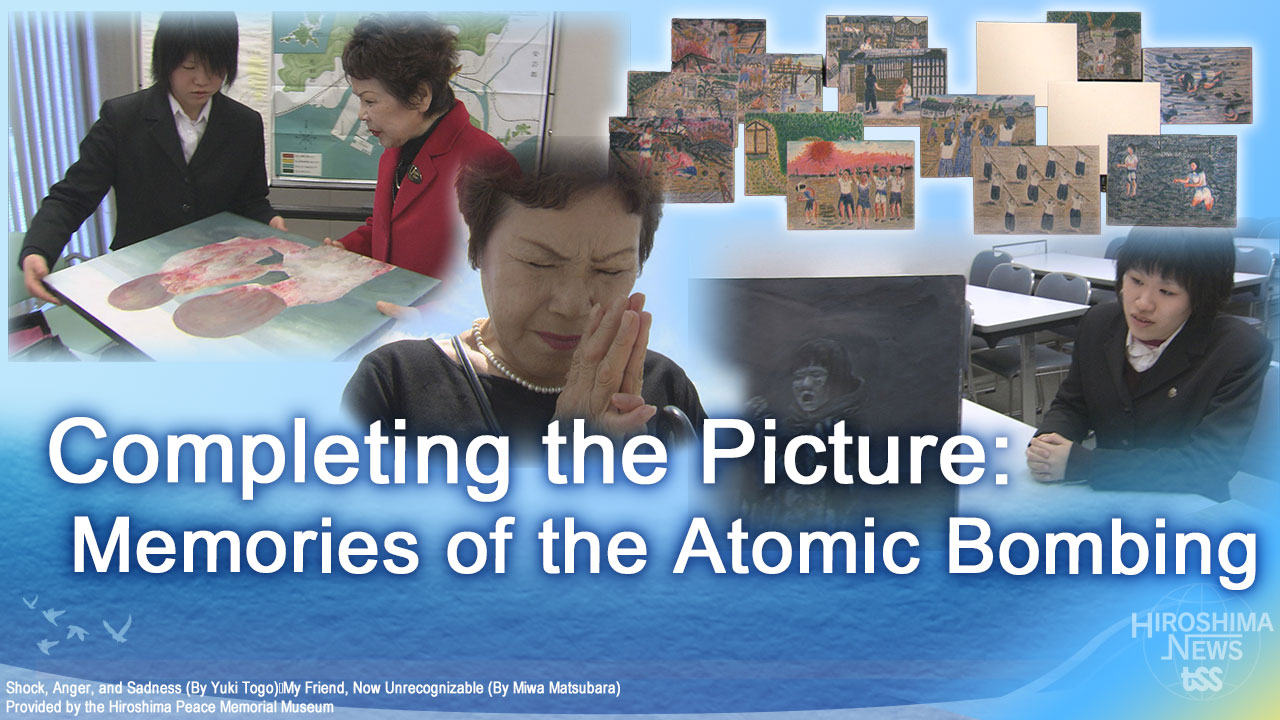
As a broadcasting station based in Hiroshima, the first city in human history to be hit by an atomic bomb, Television Shin-Hiroshima (TSS) has been broadcasting programs aimed at the abolition of nuclear weapons and the realization of peace since its founding. As the 11th installment of the “Hiroshima Peace Program TSS Archive Project” Completing the Picture: Memories of the Atomic Bombing” which aired on August 6, 2008, will be streamed worldwide from May 18, 2026.
This documentary was the last production that actress Kanako Fukaura completed before her death. At the time of production, Kanako was battling cancer. Motivated by her strong will to narrate this project, she travelled to Hiroshima to record despite her worsening condition. She passed away about one month later.
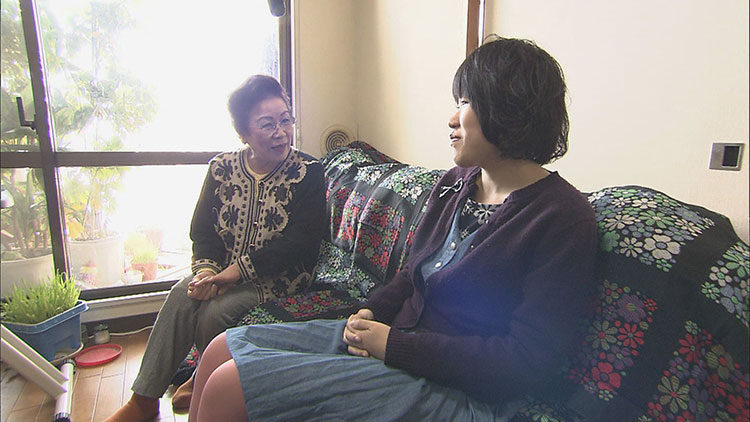
This documentary presents the hopes for peace of everyone involved: the hope for the future that hibakusha (atomic bomb survivor )Miyoko Matsubara has placed in two high school students who have seen her scars, the dedication of those high school students as they put their hearts into paintings to complete Miyoko’s set, and Kanako’s passionate narration, into which she poured her heart and soul.
(Awarded the Grand Prize in the Chūgoku/Shikoku Region Board of Review News Program Division of the FY2009 Japan Commercial Broadcasters Association Awards.)
Synopsis
Miyoko Matsubara (75 at the time of filming) was exposed to the atomic bomb at the age of 12 in Tsurumicho, approximately 1.5 kilometers from the hypocenter.
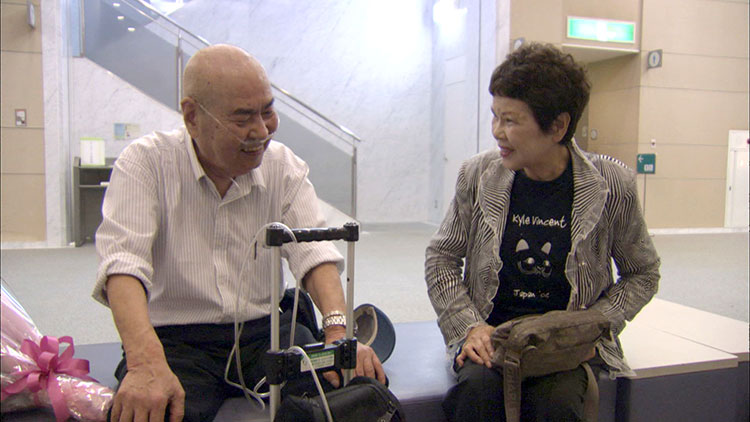
In 1962, at the age of 29, she traveled to 14 countries as a representative of Hiroshima on a peace pilgrimage, calling for an end to nuclear testing. This experience marked the beginning of her work sharing her testimony as a hibakusha, an atomic bomb survivor. Determined to “speak directly to people around the world in her own voice,” she began studying English at the age of 30. She later became a rare and vital voice—one of the few hibakusha able to share firsthand accounts in English with international visitors.
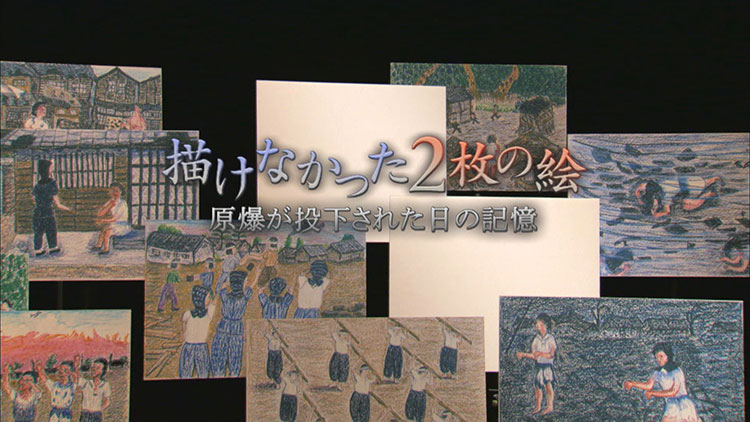
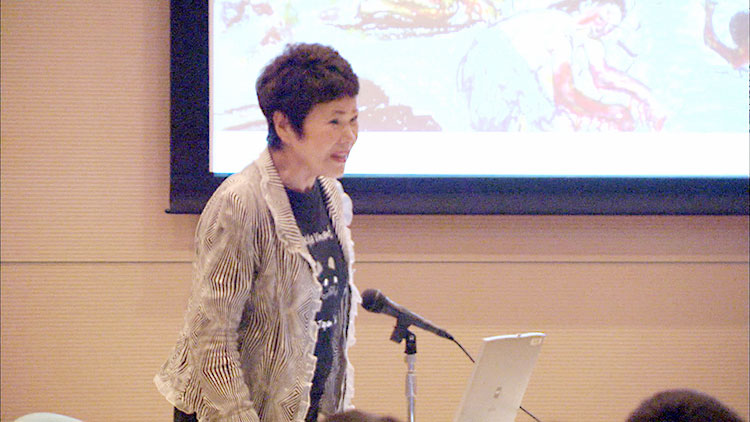
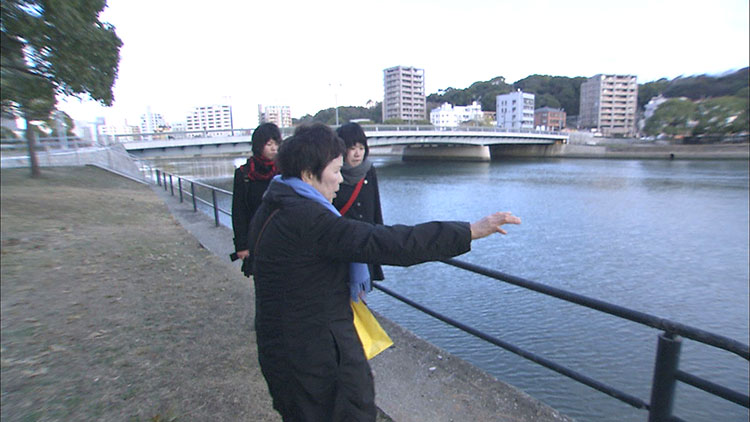
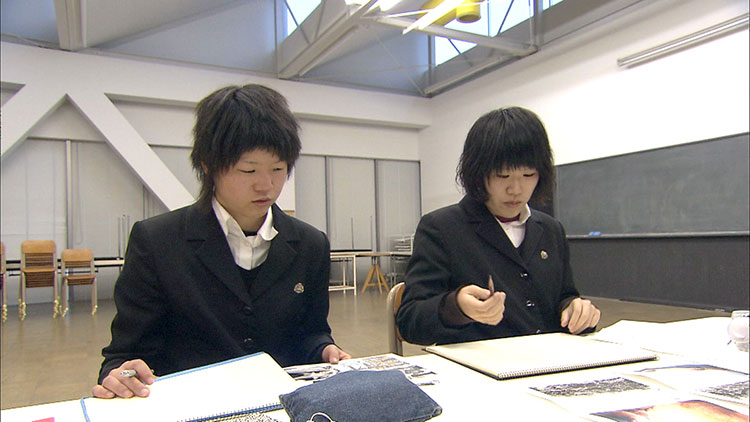
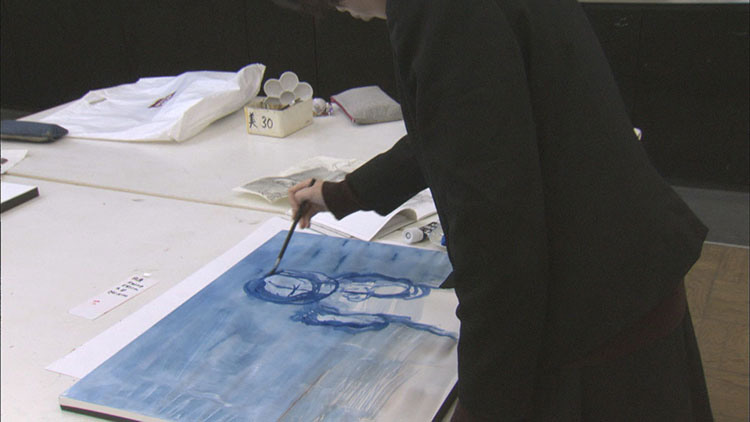
When delivering her testimony, Matsubara relies on 13 drawings she created herself, depicting scenes from the time of the bombing. However, there were two images she was never able to draw. These missing pieces were taken up by two students from Hiroshima Municipal Motomachi High School, Yuki Togo and Miwa Matsuhara.
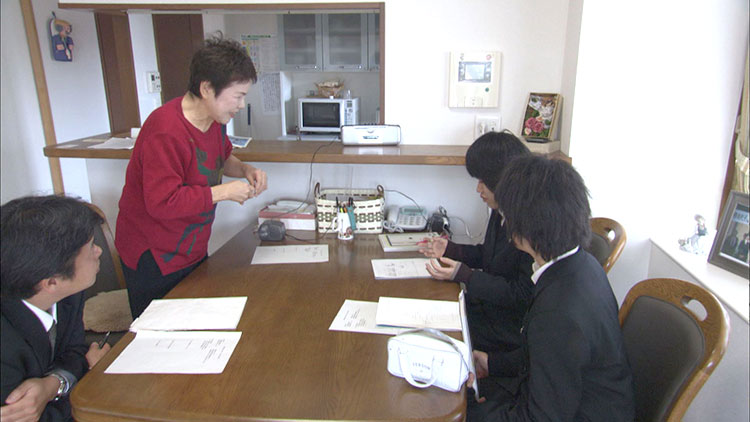
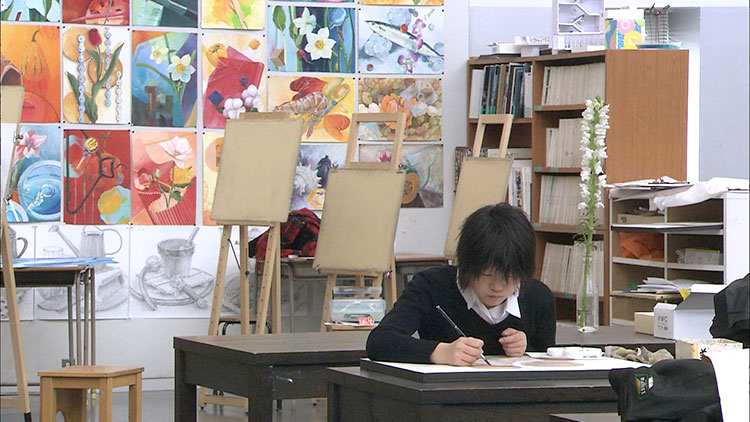
After listening carefully to her account and visiting the site where she was exposed to the bomb, the students worked to understand the reality of that day. They repeatedly sketched and refined their drawings, guided by Matsubara’s memories.
The completed works, born from this careful and difficult process, ultimately brought a quiet but meaningful sense of hope to Matsubara’s heart.
[Narration:Fukaura Kanako (Actress)]

(Taken at her home by Shōko Miki)
When my sister was diagnosed with cancer, she quit her management company and I volunteered to take over as her agent. I was with her when she went to Hiroshima. In her condition, I remember being extremely concerned about whether she could complete the job. I practically carried her into the studio.
But once she was there, she was on. She did her job with dignity and grace, and after the narration was complete, I was overwhelmed with emotion because she had seen it through. Before going to record, she and I went to the Atomic Bomb Dome, a place Kanako told me that she just had to see. I will never forget going there with her and paying our respects through tears.
When we were kids, our parents told us about the horror and the tragedy of the atomic bombings of Hiroshima and Nagasaki, so to us, Hiroshima held a very special place in our hearts. As Kanako’s sister, I would like to express once again how forever proud I am of her for narrating this project.
[Director:Noriko Wakaki]

While hibakusha testimonies remain the mainstay of conveying the experience of atomic bomb survivors, paintings that convey the horrors of the bombing in a real and visual way play a huge role in passing down the hibakusha experience to those who didn’t experience it. The atomic bomb paintings created by students at Hiroshima Municipal Moto-machi High School are now known throughout Japan, but at the time of filming this documentary, the project had barely just begun.
In 2007, we originally planned to film the hibakusha themselves as they painted their experiences, but, the aging of the hibakusha made this plan difficult. Then, we learned of a project where high school students who were enrolled in an arts program listened to the experiences of the hibakusha and painted their memories. Thus began our in-depth coverage of Miyoko Matsubara and two high school students.
The process was anything but easy for the two high schoolers who were tasked with listening to Miyoko’s testimony and then using their imaginations to paint her memories while facing the harsh reality of the atomic bombing. Miyoko passed away in 2018. As the number of hibakusha who can speak of the horrors of the bombing dwindle, being able to listen to their testimonies firsthand is a precious gift. It is our hope that, through this documentary, more people will learn of the true devastation of the atomic bombing.
